
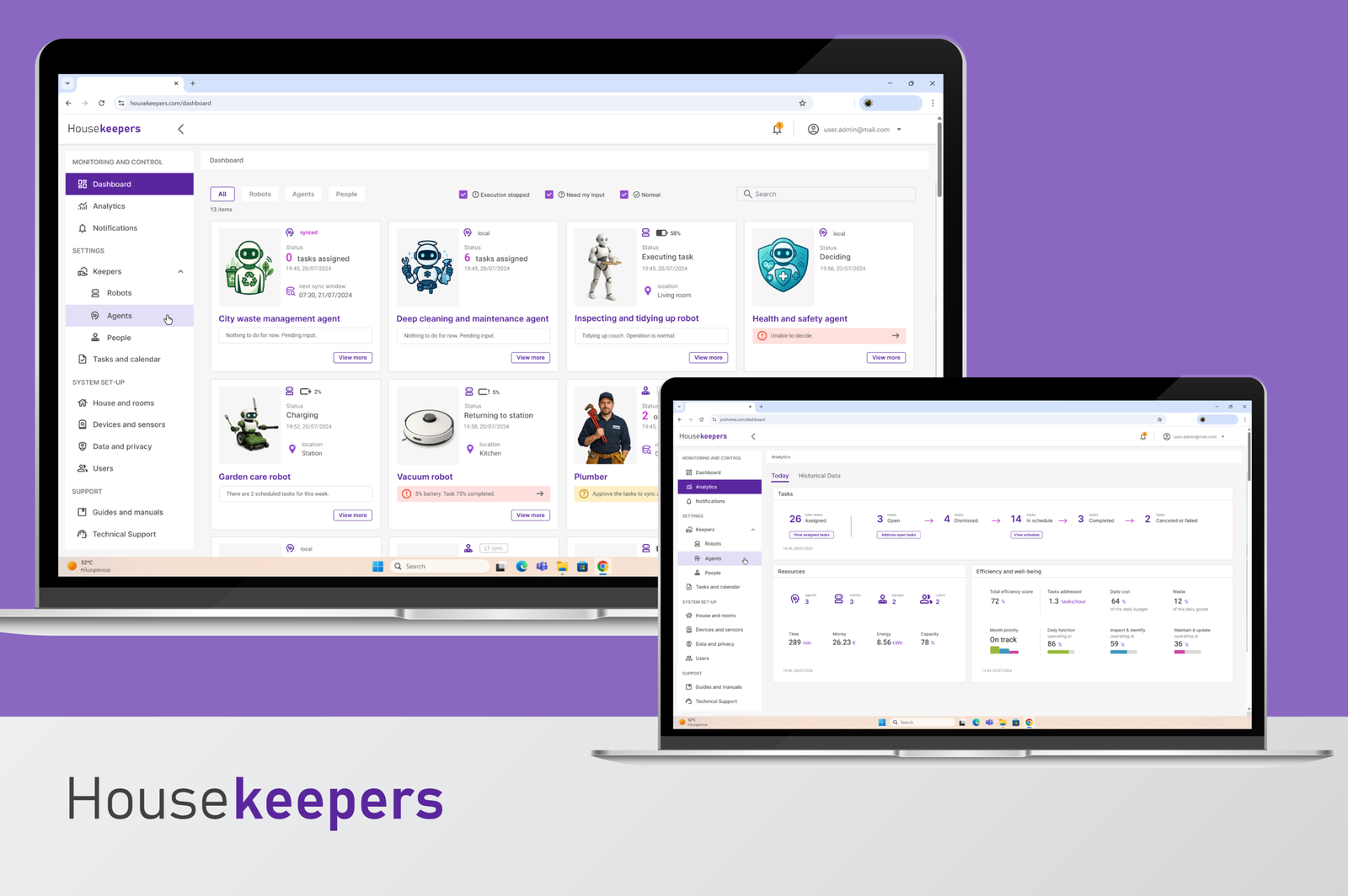
Automate home operation to maintain and enhance quality of life
Designing a smart home operations platform to help administrators, residents, and professional maintainers coordinate automated housekeepers, manage household tasks, and improve quality of life through smarter home management.
Housekeepers is a smart home web interface for managing the robots, agents, and people that support daily home operations. The platform helps users automate task generation, allocation, scheduling, and execution based on available resources, the overall capacity of the smart home ecosystem, and residents’ priorities.
The design focused on creating a clear and scalable interface for monitoring different types of housekeepers while keeping humans in control. The goal was to make automated home operations more understandable, coordinated, and adaptable, supporting both everyday household management and more complex interactions with external services, professional maintainers, and smart city agents.
My role: UX/UI Designer
Timeline: Jul. – Aug. 2025 (2 months)
Main tools: Figma, ChatGPT, Adobe
Contribution: capabilities and limitations research, vision definition, concept to screen, information architecture, interaction design, UI redesign
The goal is to support home administrators, residents, and professional maintainers through a smart home web interface that makes it easier to coordinate household operations, automate task management, and monitor the performance of the people, robots, and agents acting as housekeepers.
The users can monitor the status, behavior, and results of housekeepers while maintaining control over how tasks are generated, assigned, scheduled, and executed. Automations are based on available resources, home ecosystem capacity, resident priorities, and operational needs. The system can also sync with external smart city agents, creating a broader connection between home operations and services outside the house.
The solution supports three main user roles:
- Home administrator
A setup and monitoring experience that allows the owner or renter to define preferences, manage priorities, monitor overall home capacity and efficiency, and identify opportunities for improvement and optimization. - Professional maintainer / housekeeper
A task-execution experience that allows external professionals or assigned housekeepers to receive, follow, and complete tasks synced from the system. - Resident
A simplified participation experience that allows residents to view housekeeper behavior, take part in home management operations, and provide input when needed.
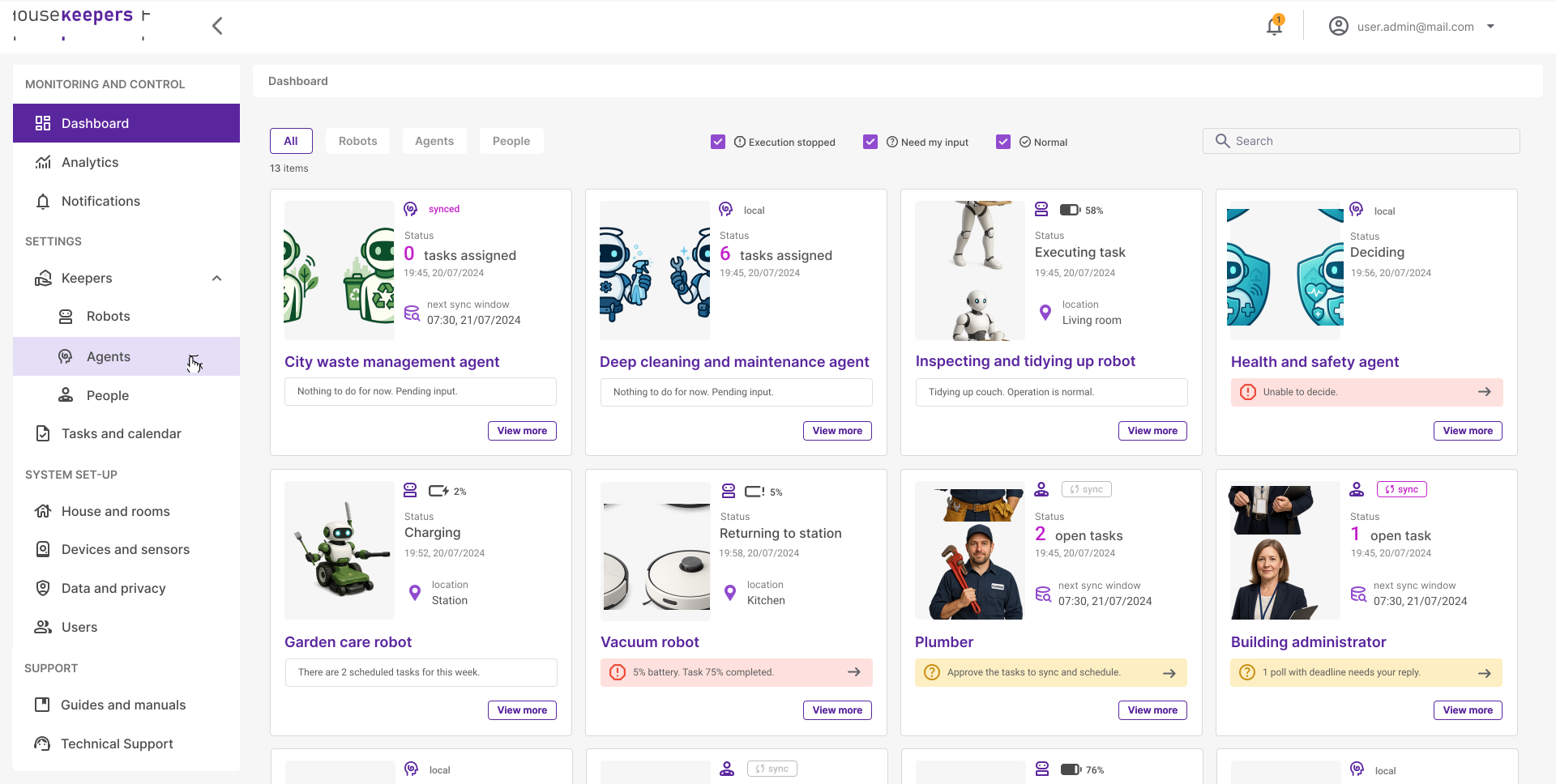
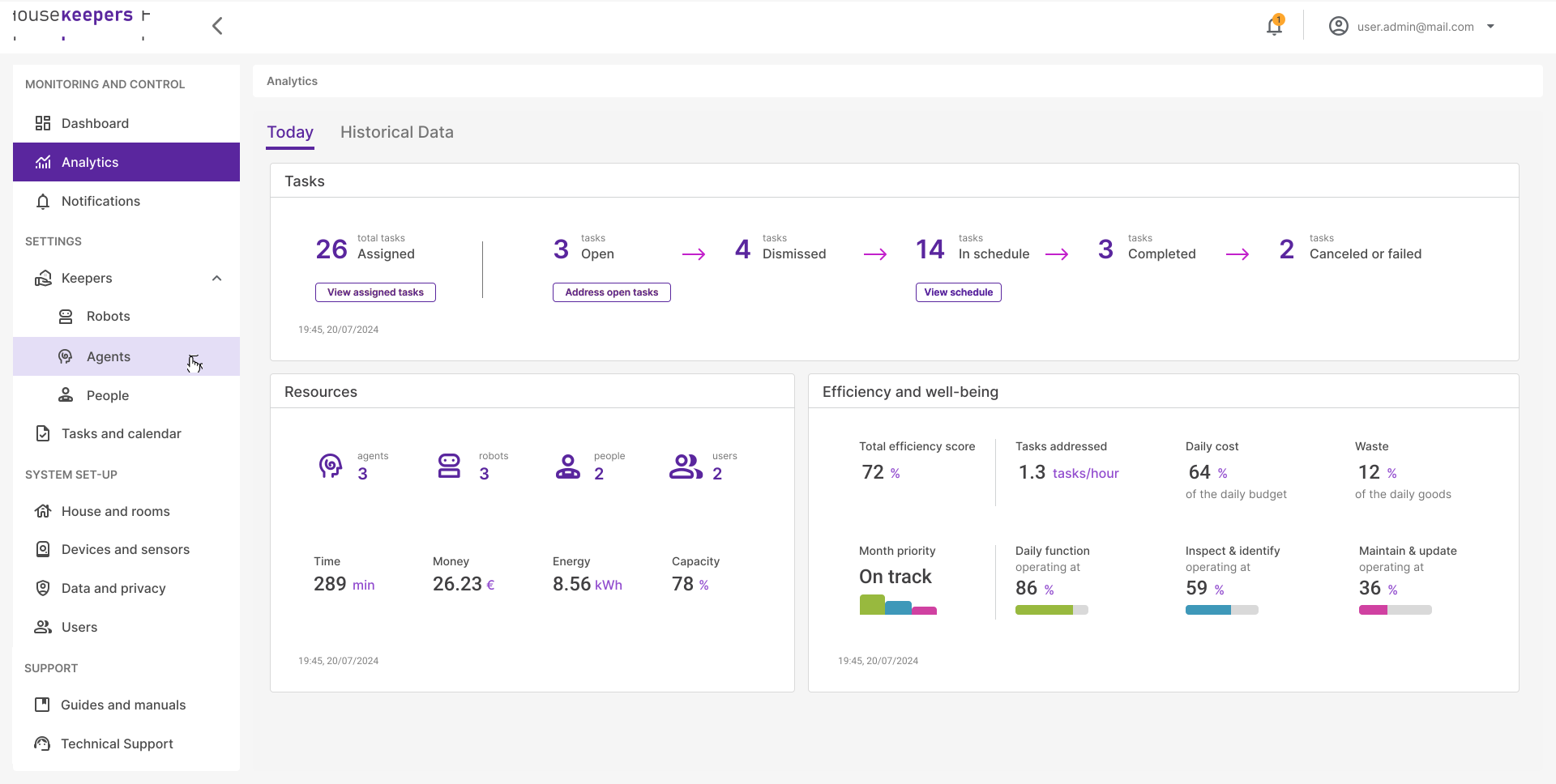
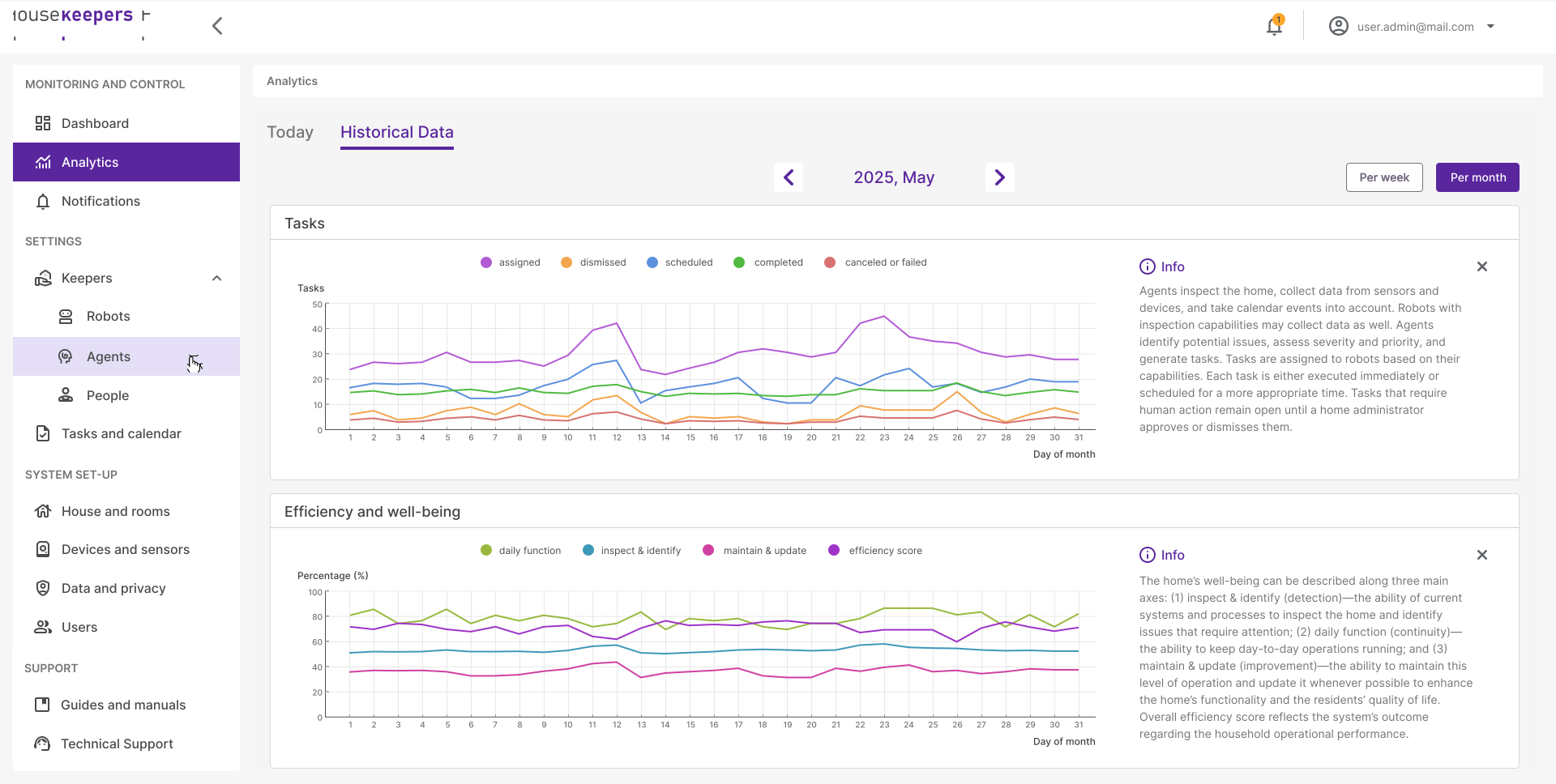
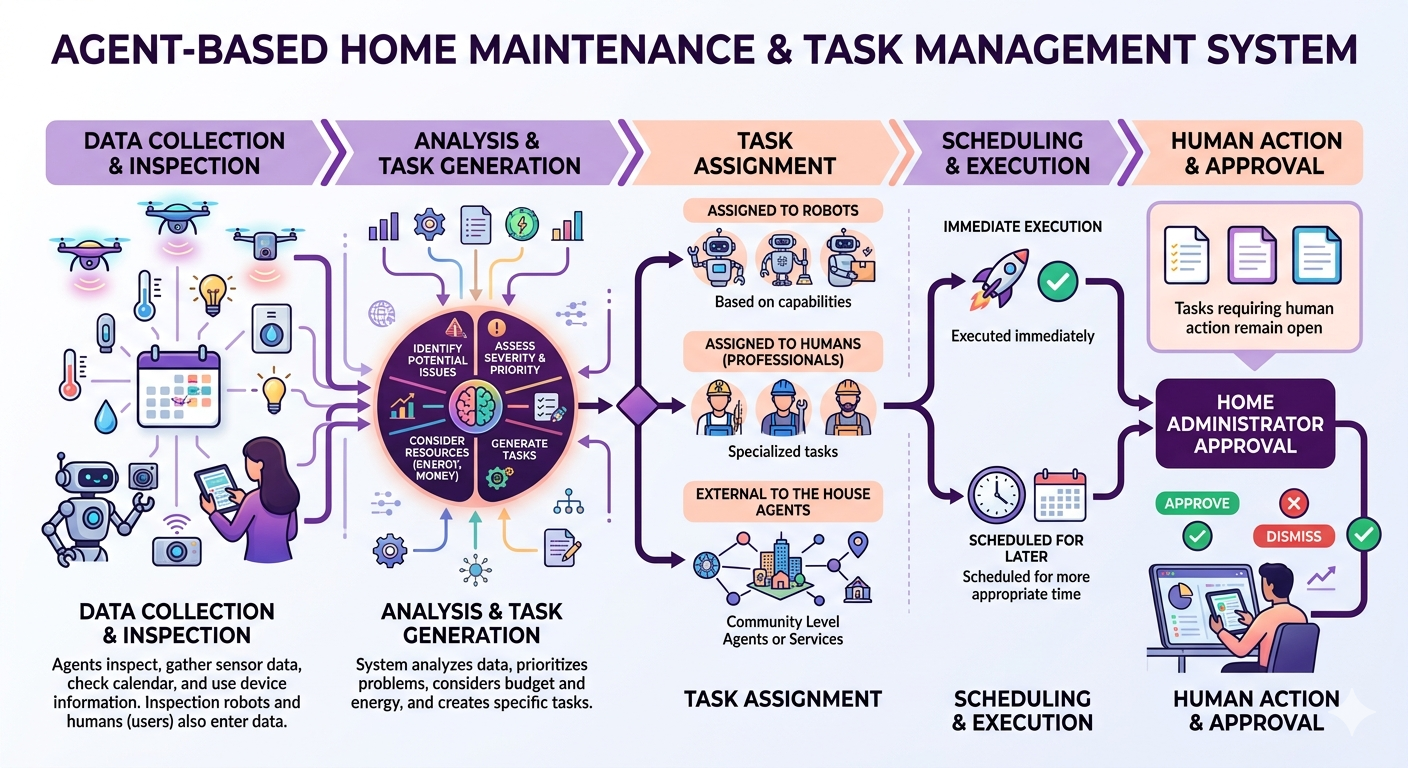
The vision is depicting a smart home maintenance and task management system.
Agents inspect the home, collect data from sensors and devices, and take calendar events into account. Robots with inspection capabilities may collect data as well. Humans (users) may also enter data. Agents identify potential issues, assess severity and priority, and generate tasks. Resources like energy capacity and money are also taken into account. Tasks are assigned to robots based on their capabilities. They can also be assigned to humans (professionals) or other external to the house agents, like community level agents. Each task is either executed immediately or scheduled for a more appropriate time. Tasks that require human action remain open until a home administrator approves or dismisses them.
The home’s well-being can be described along three main axes, based on a simply defined home management framework:
(1) inspect and identify (detection): the ability of current systems and processes to inspect the home and identify issues that require attention,
(2) daily function (continuity): the ability to keep day-to-day operations running, and
(3) maintain and update (improvement): the ability to maintain this level of operation and update it whenever possible to enhance the home’s functionality and the residents’ quality of life.
An overall efficiency score can reflect the system’s outcome regarding the household operational performance.
Disclaimer: Independent, speculative design using common UI patterns. Fictional brand and data for demonstration only. AI generated images of content (people, avatars, places). Any resemblance to real people, places, products or companies is coincidental. No affiliation or endorsement is implied.
Find me
Drop me an email
anastasia.tsita@gmail.com
© 2026 Anastasia Tsita / Cookie policy / Privacy policy
